CLIENT
PsicoLine
YEAR
2023
ROLE
Product & UX/UI Designer
INDUSTRY
Health & Mental Wellbeing
SERVICES
Mobile-first Design
Product Design
Prototyping
UX Research
UX/UI Design
Designing an inclusive mental wellbeing platform for Spanish-speaking women.
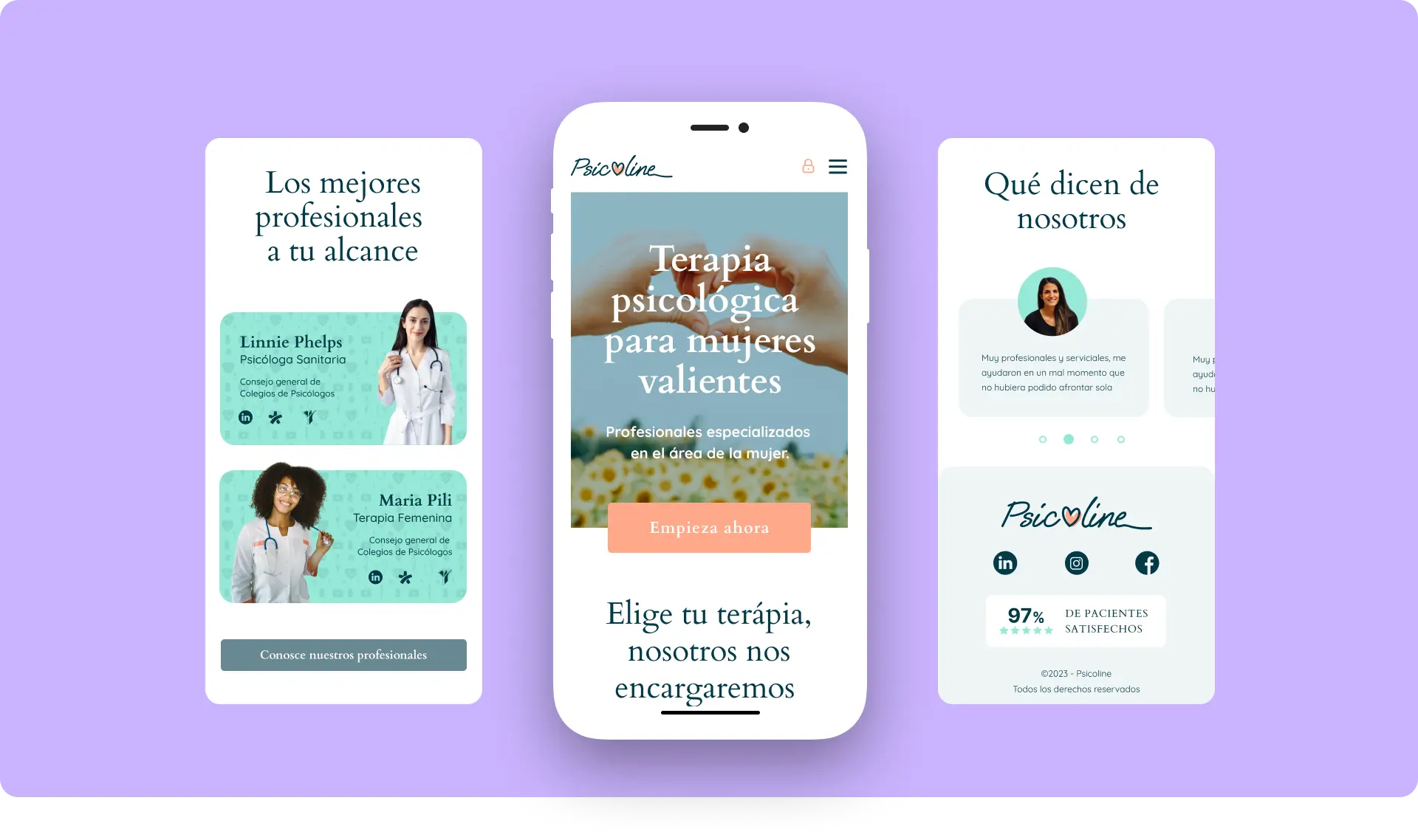
I designed the end-to-end experience for Psicoline, a mobile-first platform created to make emotional support and therapeutic resources more accessible to Spanish-speaking women.
The project covered product definition, information architecture, UX/UI design, content flows and prototyping, with a strong focus on privacy, inclusivity and creating a reassuring experience for users seeking support.
01
Overview
PsicoLine was conceived as a digital platform to make psychological support more approachable, accessible and less intimidating for Spanish-speaking women. The goal was to translate complex therapeutic journeys into a calm, intuitive mobile experience that encourages trust, engagement and long-term wellbeing.
I worked across the entire product design process, from shaping the experience and defining the information architecture to designing the interface, interaction patterns and high-fidelity prototypes. Every design decision aimed to reduce cognitive load while supporting users through emotionally sensitive moments with clarity and empathy.
02
The challenge
Mental health products require balancing emotional sensitivity with usability. Users often arrive during moments of vulnerability, making trust, clarity and accessibility as important as functionality.
The challenge was to transform complex therapeutic journeys into a simple mobile experience that felt approachable rather than clinical, while helping users discover resources, connect with professionals and engage with the platform without feeling overwhelmed.
03
My role
Role
Product & UX/UI Designer
Responsibilities
Product Strategy
UX & UI Design
Design Systems
UX Research
User Flows
Wireframing & Prototyping
Accessibility
Collaboration
Product Stakeholders
Psychologists & Domain Experts
Design Reviews
Iterative Feedback
04
Design approach


05
Key contributions
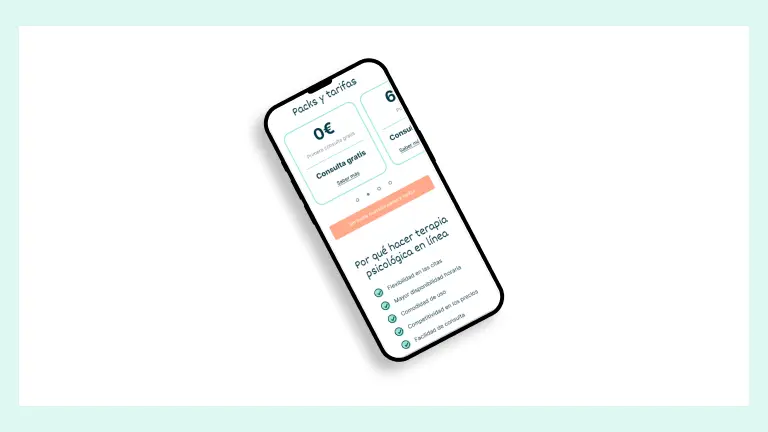
Inclusive mobile experience
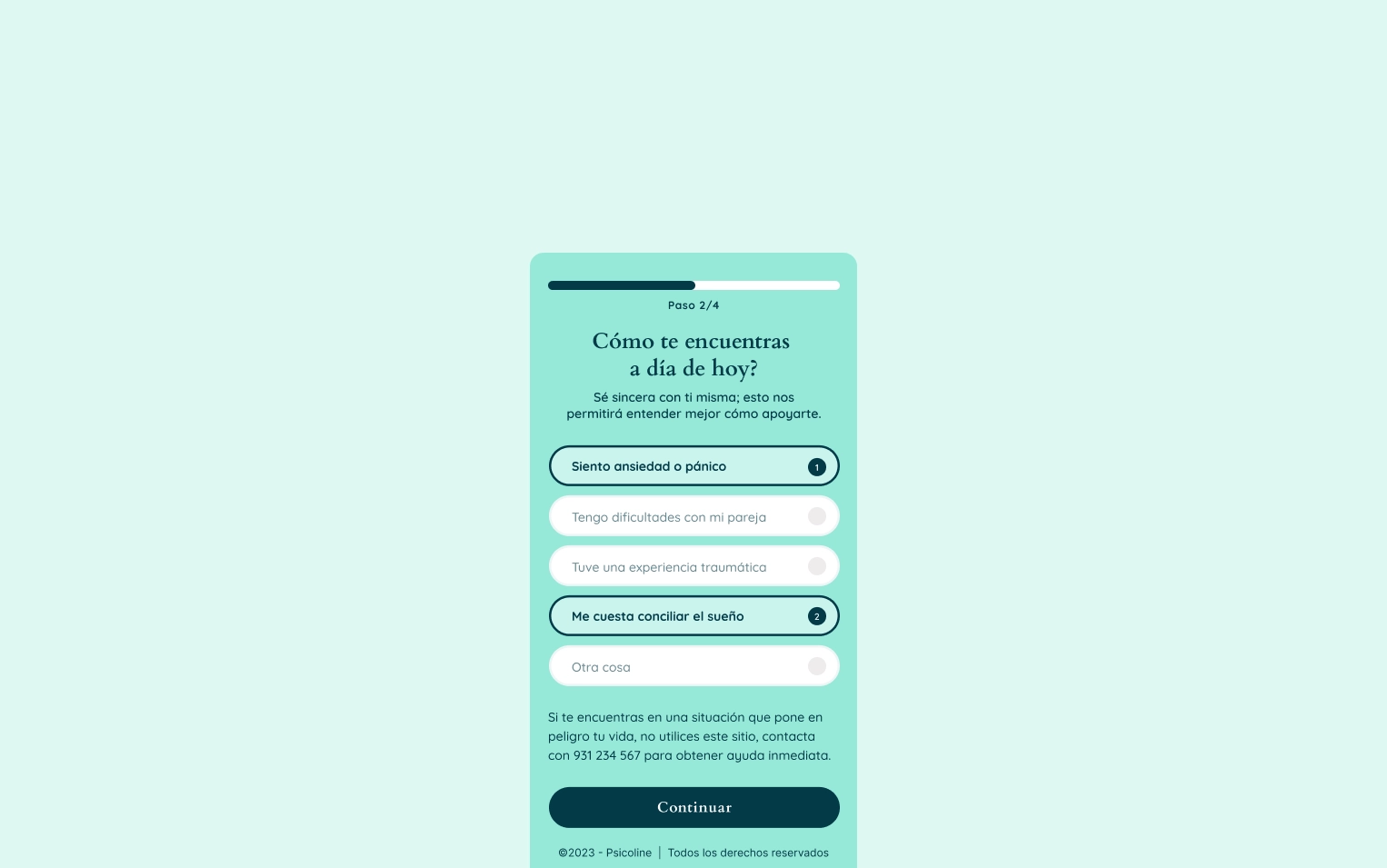
Designed a calm, accessible mobile experience that reduces cognitive load and supports users through emotionally sensitive journeys. Every interaction was crafted to feel approachable, reassuring and easy to navigate.
Inclusive UX · Mobile-first · Accessibility
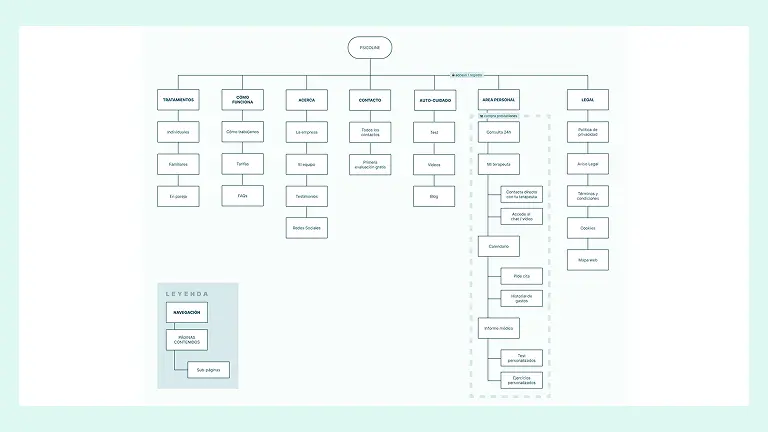
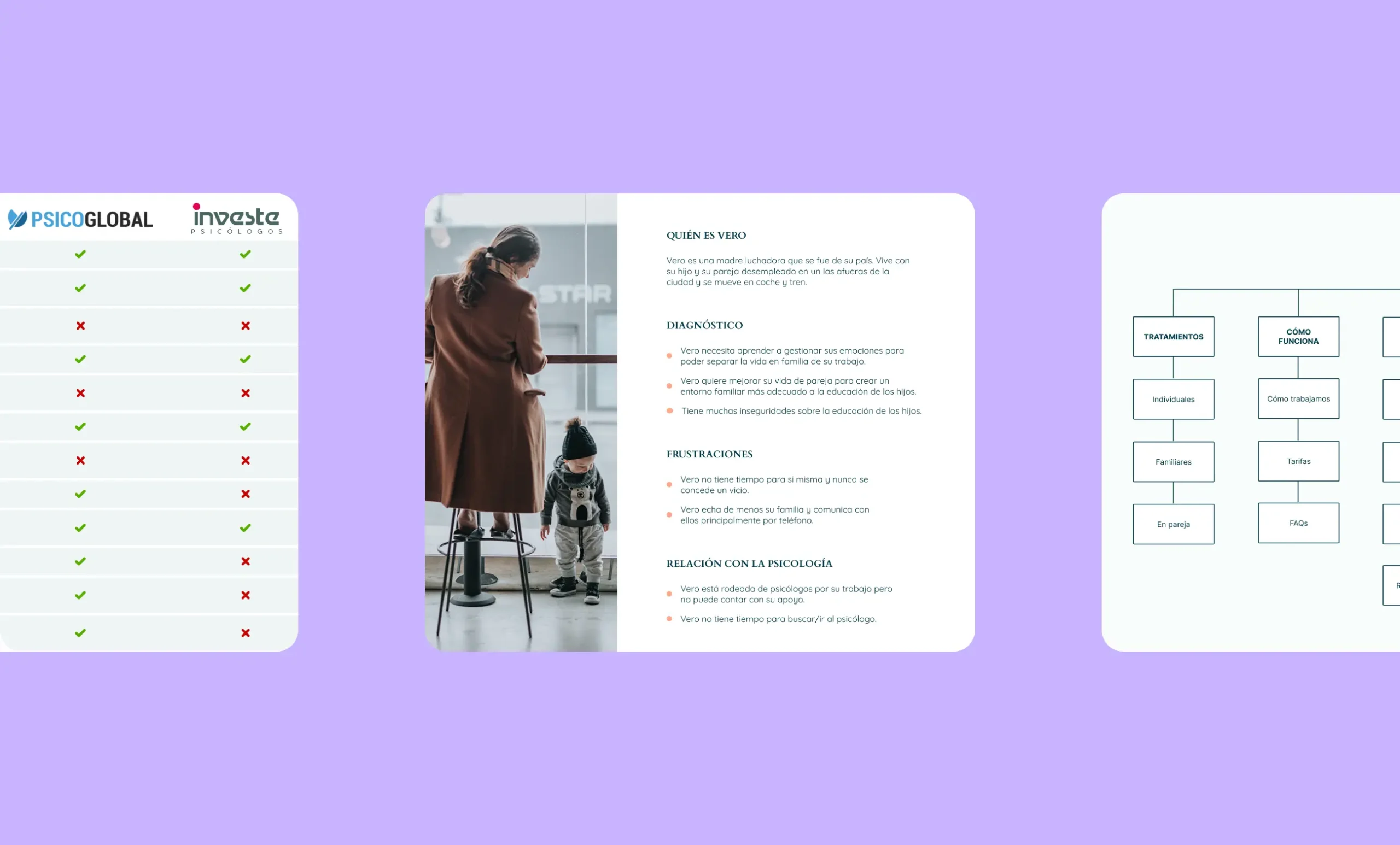
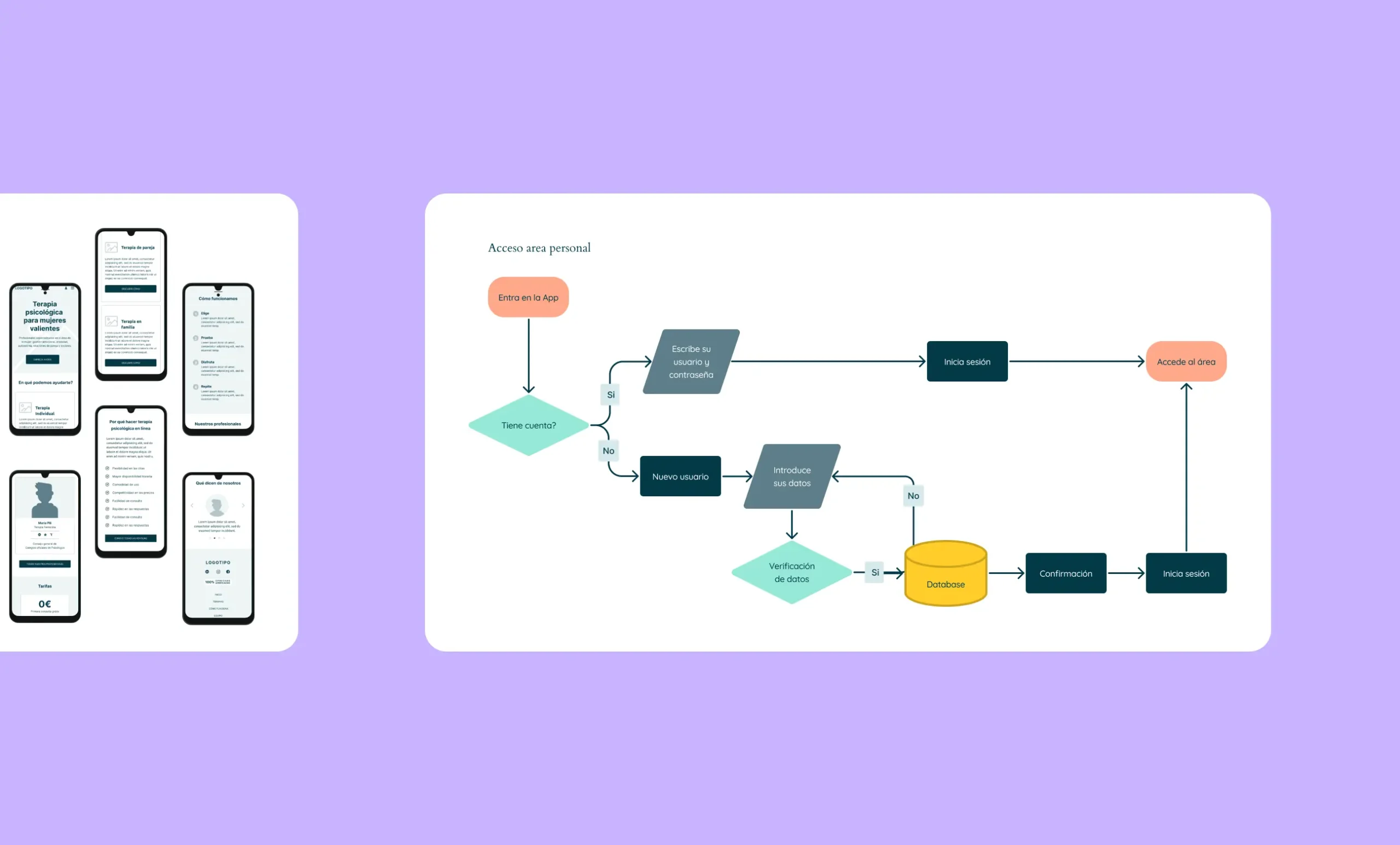
Information architecture & user flows
Structured complex therapeutic content into intuitive user journeys, making resources easier to discover while simplifying navigation across different stages of the experience.
Information Architecture · User Flows · UX Strategy
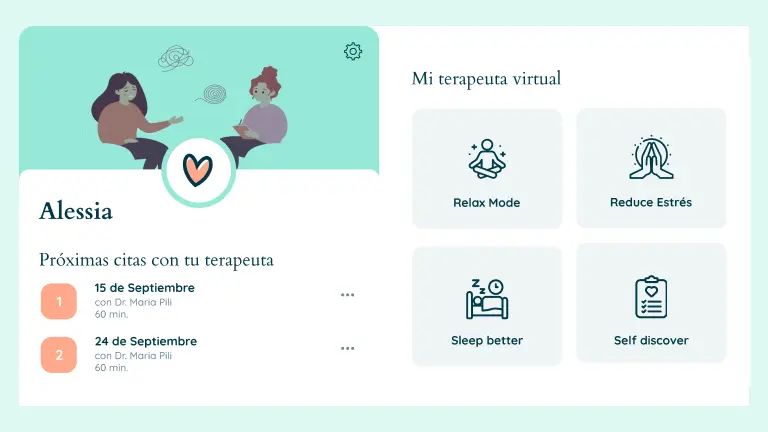
Trust-driven interface design
Created a visual language focused on trust, clarity and emotional comfort, balancing usability with a soft, approachable aesthetic suitable for a digital wellbeing product.
UI Design · Design System · Visual Design
06
Design outcomes
Design decisions focused on making emotional wellbeing feel more accessible through a calm, intuitive and reassuring digital experience. Every interaction was designed to reduce friction, encourage engagement and support users with clarity throughout their journey.
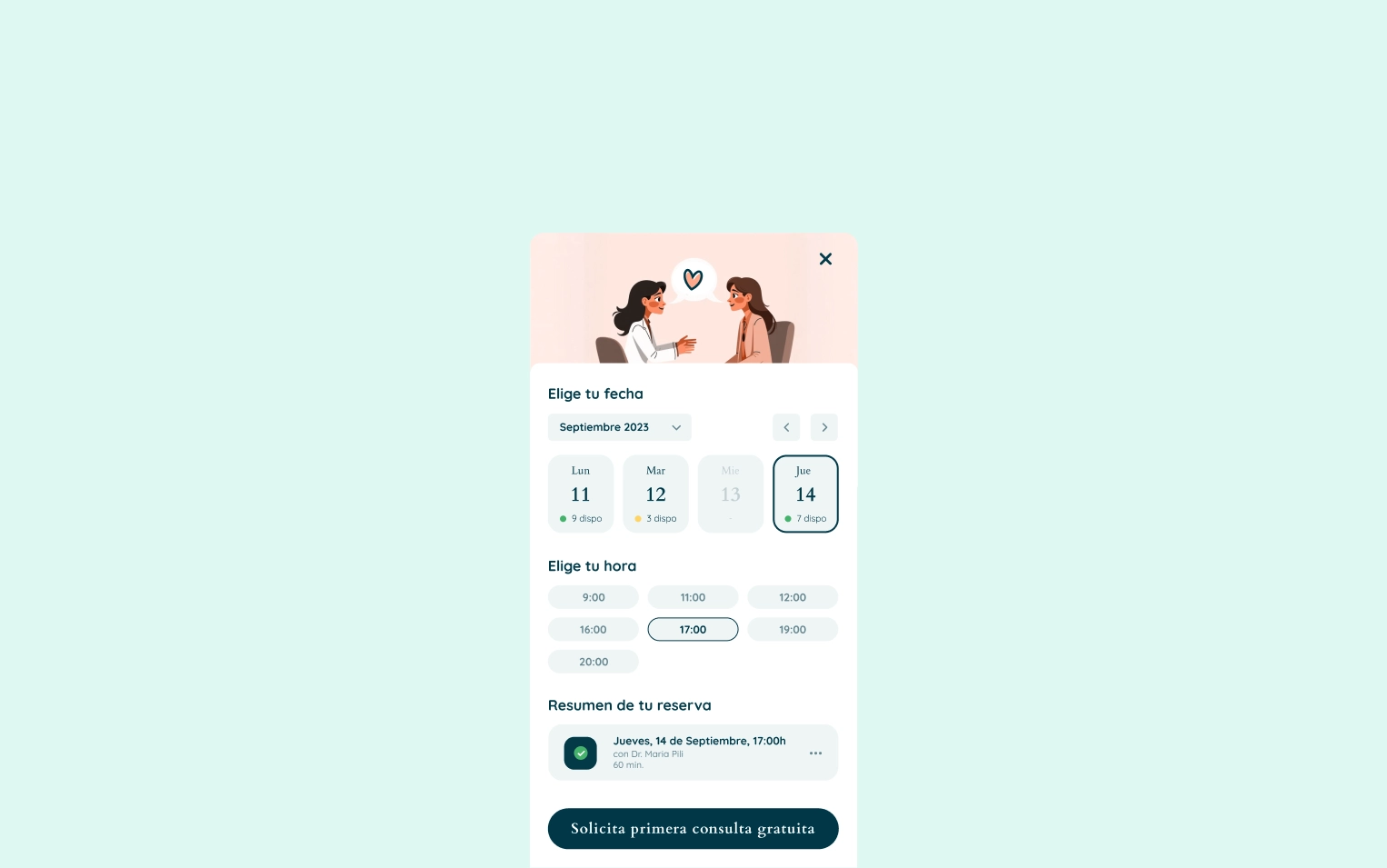
What improved
- More approachable user journeys
- Improved content discoverability
- Clearer information hierarchy
- Inclusive mobile-first experience
- Reduced cognitive load
- Greater trust through consistent design
07
What this project reinforced
This project reinforced that designing for mental wellbeing requires more than intuitive interfaces—it requires empathy, trust and a deep understanding of the emotional context in which people interact with a product.
Every decision, from information architecture to visual language, contributed to creating an experience that felt safe, supportive and accessible, proving that thoughtful design can make digital products feel genuinely more human. The most supportive digital experiences make complexity feel safe, clear and human.
08